



Press Release
October 06, 2026
Isuzu and UD Trucks to exhibit at JAPAN MOBILITY SHOW BIZWEEK 2026
Read More
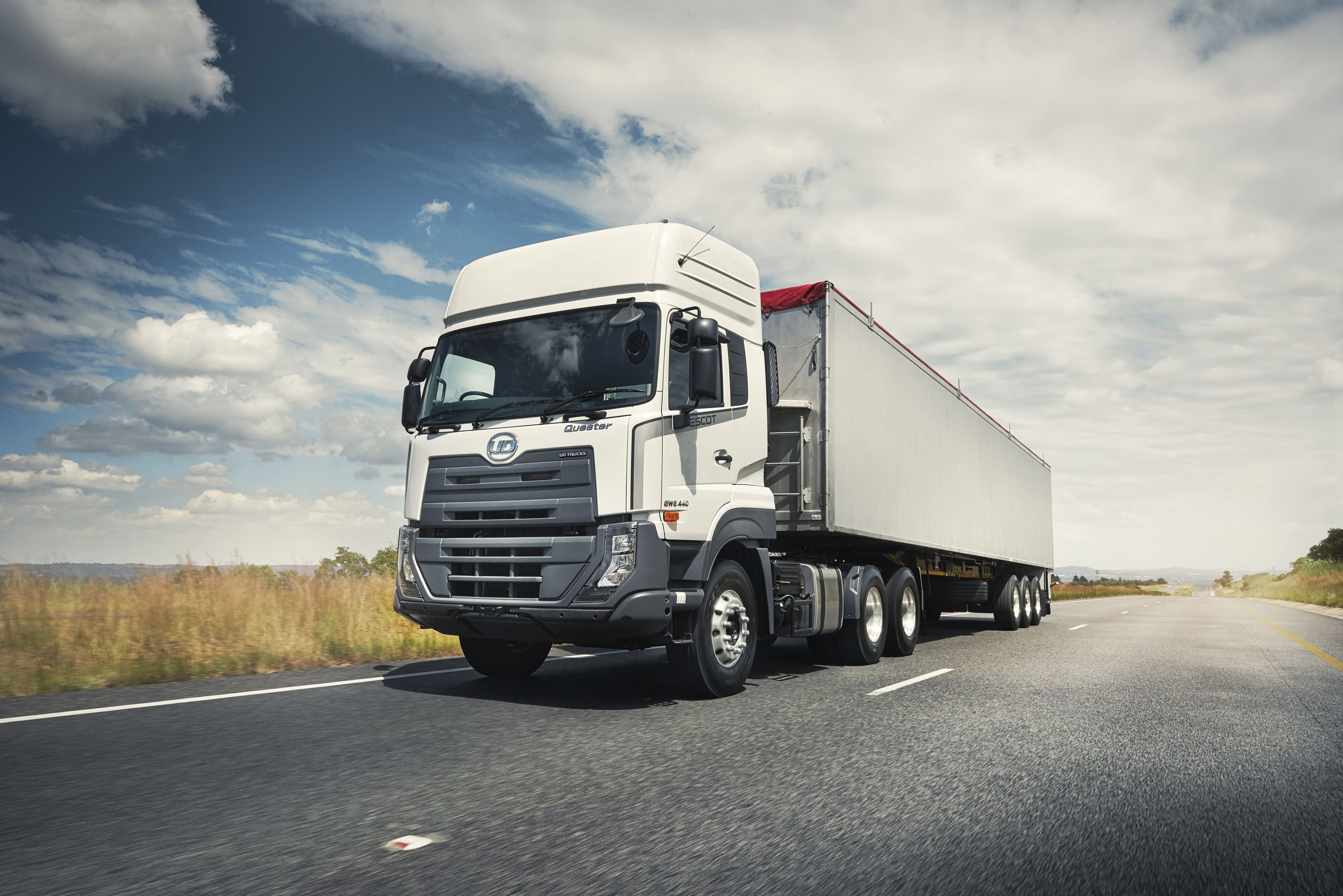
“For deliveries, operations never stop.”
For many years, logistics has functioned on this assumption. However, around the world today, extreme weather events are occurring with increasing frequency. Highways are closed by heavy snowfall, logistics hubs are flooded, and drivers collapse due to extreme heat.
Climate change is no longer merely an environmental issue. It has become a management challenge that fundamentally alters the operating conditions of logistics itself. Losses to logistics caused by environmental risks are projected to reach USD 120 billion annually by 2026, with estimates suggesting potential net losses of up to USD 25 trillion by the middle of this century.
This article examines what is happening on the ground when operations are forced to stop under extreme weather conditions, and clarifies the new role expected of heavy-duty trucks—not from a technology-first perspective, but through real changes occurring in logistics operations.
By reading to the end, you will gain a clear understanding of the shift from conventional “keep moving” logistics to a model focused on “transporting while protecting,” along with insights to reassess your organization’s decision-making framework. Having the courage to stop operations will be essential to safeguarding the future of logistics.
The reasons trucks stop are simple: roads become unusable, or safety can no longer be ensured.
When snowfall exceeds snow removal capacity, vehicles cannot proceed. Flooded roads are dangerous because surface conditions are invisible. When temperatures exceed 40°C, asphalt retains heat and in-cab temperature management reaches its limits.
Once transport stops, a chain reaction begins. Delivery schedules collapse, and decision-making pressure on frontline operations increases sharply. Customer inquiries surge, and pressure to “deliver at all costs” leads to unsafe driving decisions.
In July 2021, flooding in Belgium, the Netherlands, and Germany increased delivery delays by 26–32%. In North America, severe snowstorms closed highways and left hundreds of vehicles stranded. In Asia, extreme heat has disrupted operations as drivers suffer health issues. While the phenomena differ, the underlying problem is the same: roads become unusable, trucks cannot move, and logistics comes to a halt.
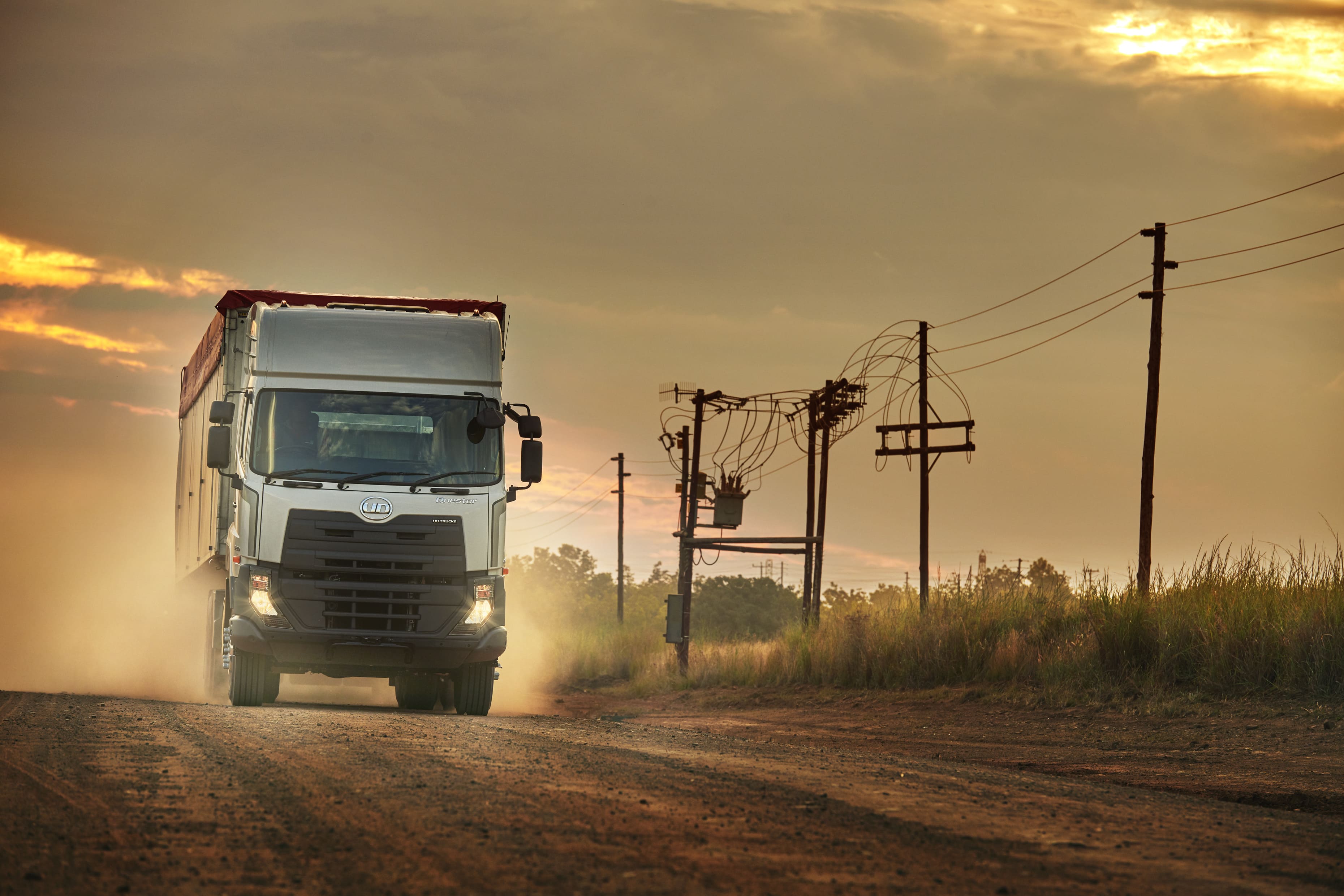
What was once dismissed as “unexpected” or “exceptional” has now become something that “will inevitably occur somewhere.”
Between August and September 2022, drought and heat waves in Sichuan Province, China restricted hydropower generation, forcing factories in the automotive and semiconductor sectors to shut down. This is only one example, but extreme weather events now occur somewhere every year.
When multiple regions are affected simultaneously, there is no capacity to provide backup support. Alternative routes also fail, because all routes are impacted at once.
When logistics stops in one country, effects ripple into others. Global supply chains are interconnected, and delays at a single point spread rapidly. Climate experts warn that climate-change-related supply chain disruptions could result in net global losses of up to USD 25 trillion by the middle of this century.
Traditional truck operations were built on three assumptions: keep moving, stay on schedule, and never stop.
These assumptions were designed to maximize efficiency—reducing inventory through just-in-time delivery, increasing delivery frequency, and eliminating spare time. As a result, logistics costs fell and speed improved.
However, this structure concentrated critical decisions on individual drivers. Whether to proceed or turn back must be decided alone, on site, under worsening weather conditions.
Head offices emphasize “safety first,” yet delivery schedules remain unchanged. Customers continue to expect deliveries. Drivers become trapped between conflicting demands and are effectively forced to continue driving.
Unsafe operations reduce efficiency. Trucks become stuck in congestion, detours are repeated, fuel consumption increases, CO₂ emissions rise, and driver fatigue accumulates.
The core issue lies in the design philosophy of logistics itself. Systems built on the premise of “never stopping” cannot cope with situations where stopping becomes unavoidable. This is fundamentally a matter of risk management at the management level.
As extreme weather becomes a given, the role of heavy-duty trucks is evolving from simple transport tools into “sensors” that accurately convey conditions on the ground. Operational rules must also be updated to the following three standards.
Whether to proceed, turn back, or stop should be determined by rules and systems—not by intuition or endurance.
Weather data, road conditions, and vehicle locations must be used to make organizational decisions.
Clear criteria reduce the burden on frontline teams. For example, operations can be suspended when snowfall exceeds 10 cm, or vehicles can be instructed to wait at safe locations when flood alerts are received.
Earlier decisions lead to better outcomes. Rather than reacting when danger is imminent, operations must shift at the predictive stage. This requires fast information sharing between headquarters and the field.
Conditions on the ground must be communicated immediately to management, planners, and customers.
Delays in information create unreasonable demands. When information is shared, all stakeholders can understand reality. If customers are informed immediately that flooding will cause a two-hour delay, they can accept the situation and consider alternatives.
A culture that values the decision to stop is essential. Choosing not to drive ultimately protects the entire operation. This is a management decision aimed at preventing vehicle damage and enabling faster network recovery.
Continuing to operate under unsafe conditions increases accident risk. Vehicle damage leads to repair downtime, higher replacement costs, rising insurance premiums, and reduced utilization rates.
Stopping at the right time minimizes damage and allows rapid resumption once conditions improve. This is logistics resilience—the ability to recover quickly.
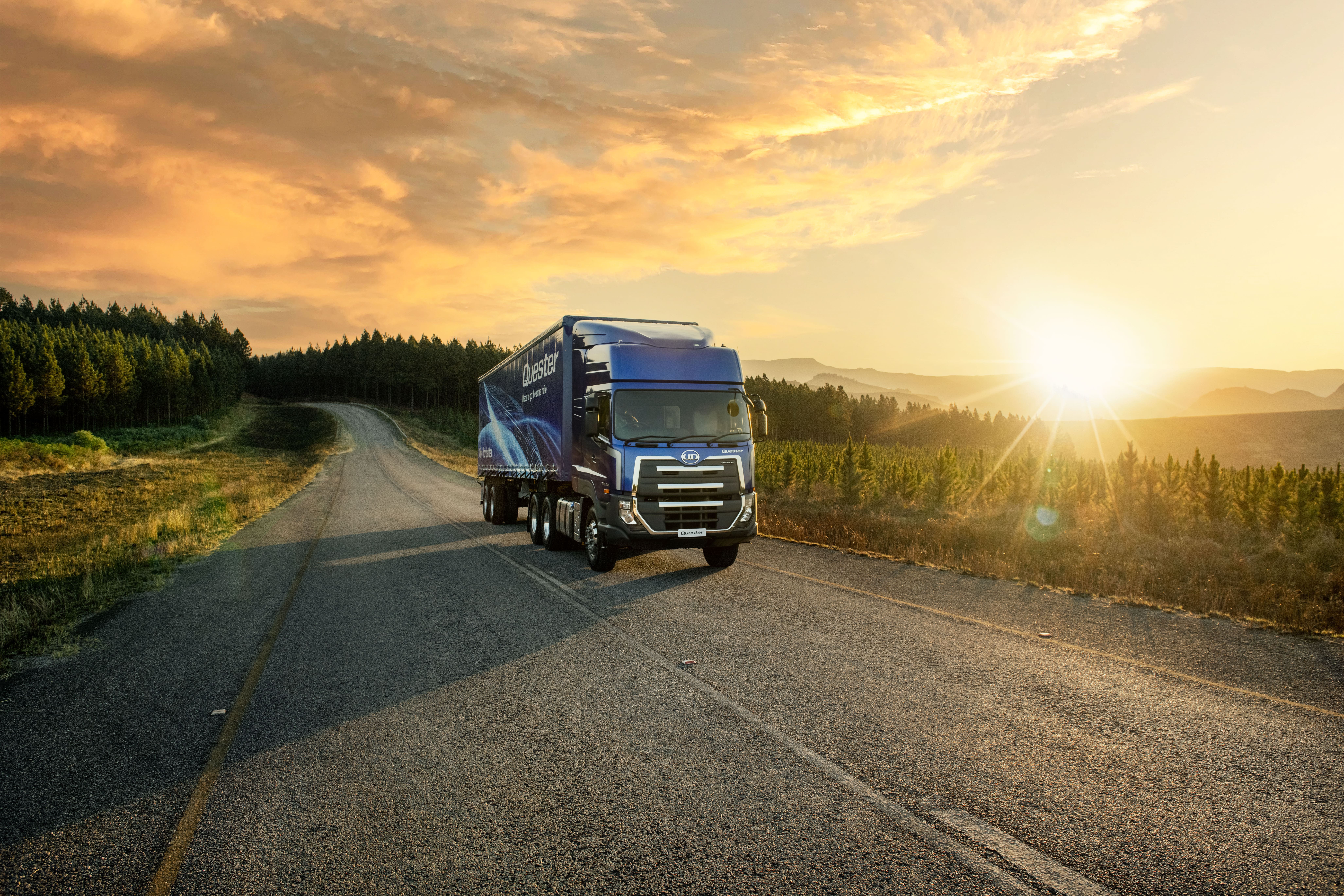
To implement these new standards, the environment surrounding heavy-duty trucks is evolving in three areas.
Real-time visualization and sharing of vehicle locations, surrounding weather, and vehicle conditions is expanding. Integration between real-time weather data, fleet management systems, and onboard sensors is progressing.
As a result, vehicles facing imminent risk can receive concrete instructions, including instructions to wait at the nearest service area when heavy rain is forecast within the next 30 minutes.
More companies are defining suspension and turnaround criteria in advance based on data rather than experience alone. Digital technologies ensure these predefined rules are consistently executed on the ground.
Digital twin simulations allow companies to test scenarios involving heavy snowfall and route flooding in advance, enabling preparation before actual disruptions occur.
This predictive, data-driven approach is especially evident in large-scale projects. For example, at AI data center construction sites handling 300–1,000 deliveries per day, tightly controlled operations are implemented, including predefined delivery time windows and staged off-site storage.
The most significant change is a shift in thinking. The focus is no longer on “keep moving,” but on “transport while protecting.”
The era of pursuing efficiency alone is ending. Delivering reliably is becoming more important than delivering quickly. Stopping appropriately and restarting safely is replacing forced continuation.
Heavy-duty trucks are no longer just tools for transport. They are evolving into assets that make decisions, share information, and protect the entire system by stopping when necessary.
Climate change is not a temporary issue. Logistics is transitioning from uninterrupted “stable operations” to “resilient operations” that minimize damage under risk. The focus is shifting from pure efficiency to systems that are robust and recover quickly.
The role of trucks is also changing. They are no longer just machines that move goods. Increasingly, they function as systems that make decisions and share information.
To protect assets and supply chains under escalating climate risks, it will be critical to build systems that support decision-making, enable information sharing, and prevent forced operations through rules and technology rather than individual judgment.
Can your logistics operation make the decision to stop under extreme weather conditions? Not continuing at all costs, but stopping appropriately and resuming reliably. Confronting this question is the first step toward building the logistics systems of the future.